What is the Annapurna Base Camp Trek?
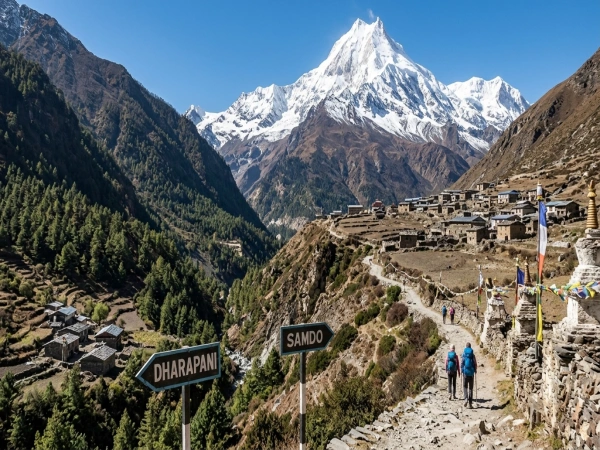
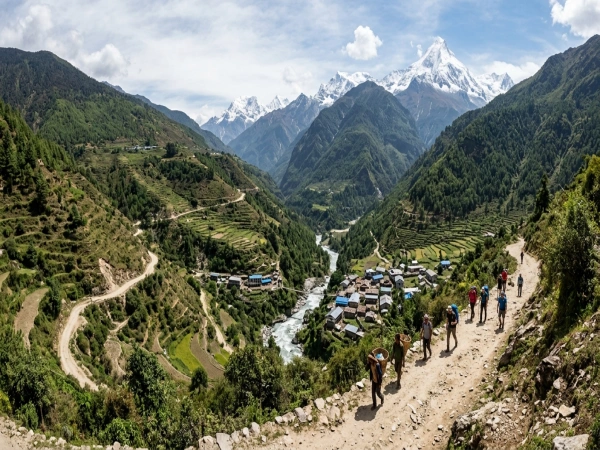
The Annapurna Base Camp trek is a popular mountain walking trail in Nepal that leads you deep into the heart of the Annapurna Sanctuary. Surrounded by towering snow-capped peaks like Annapurna I, Machhapuchhre (Fishtail), and Hiunchuli. The trek offers stunning alpine landscapes, local Gurung culture, and majestic sunrise views from base camp at an altitude of 4,130 metres.
Why Choose the Annapurna Base Camp Trek 5 days from Pokhara?
Great for Travellers with Short Time
If you have one week in Nepal, a 5-day trek is a smart choice. You start and finish your trip in Pokhara. You save time on lower trails, but you still reach high mountain views.
See Famous Annapurna Peaks
Even on a short trip, you enter the Annapurna Sanctuary. You will stand right in front of these famous peaks:
-
Annapurna I (8,091m): The 10th highest mountain in the world.
-
Machhapuchhre / Fishtail (6,993m): A famous holy mountain with a sharp peak.
-
Annapurna South & Hiunchuli: Huge mountains right above base camp.
Enjoy Local Culture and Golden Sunrises
You walk through Gurung villages like Chhomrong and stay in friendly local teahouses. The best part is watching the morning sun turn the icy peaks gold at Annapurna Base Camp.
History of the Annapurna Base Camp Trek
The Annapurna Base Camp trek has a rich past. It grew from old trade paths and sacred trails into a world-famous modern adventure.
Here is how the trail changed over time:
-
Ancient Roots: Long ago, paths into the Annapurna Sanctuary were used for trade and holy journeys. Traders moved salt and wool between Nepal and Tibet. Hindus and Buddhists hiked to the sanctuary for prayer, calling the peaks sacred homes of the goddess of food, Annapurna.
-
The 1950 French Climb: Modern mountaineering history started on June 3, 1950. A French team led by Maurice Herzog and climber Louis Lachenal reached the top of Annapurna I (8,091 m). This was the first time humans ever climbed an 8,000-metre peak anywhere on Earth. It put Nepal on the global map.
-
Start of Commercial Trekking (1960s): Commercial trekking began in the 1960s. Lieutenant Colonel James Owen Merion Roberts is known as the father of Himalayan trekking. He led early group trips into the Annapurna region, turning old paths into organized tours.
-
Global Exposure (Late 1970s): Nepal opened its mountains to foreign travellers in the late 1970s. The Annapurna routes quickly became famous worldwide for their mix of green farming villages and huge ice walls.
-
Conservation and Modern Access (1986–Present): In 1986, the Annapurna Conservation Area Project (ACAP) started. It protects local nature and helps mountain villages. Over the years, new road connections have made travel faster. Today, these trails support both short and long trekking adventures for thousands of hikers.
What is the Best 5-Day Trek to Annapurna Base Camp?
If you want to complete your journey in a short time, you need a smart plan. The best way to do the Annapurna Base Camp trek 5 days is to use an express route that starts directly from Pokhara.
This route cuts out the long, lower walking foothills. Instead, local jeeps drive you past the starting hills, letting you begin your hike higher up and enter the scenic mountain sanctuary faster.
Best Route from Pokhara to Annapurna Base Camp
The main route takes you up through deep river valleys and stone stair paths:
-
Day 1 (Drive & Uphill Hike): Take a morning jeep ride from Pokhara to Samrung Khola or Jhinu Danda. From the trailhead, hike up through stone steps to reach Upper Sinuwa for your first night.
-
Day 2 (Forests to Alpine Zone): Trek through thick bamboo and rhododendron forests past Bamboo and Dovan, climbing higher up to Deurali.
-
Day 3 (Entering the Sanctuary): Hike from Deurali past Machhapuchhre Base Camp (MBC) and head straight into the high glacial valley to reach Annapurna Base Camp (ABC).
The Return Route
Your return trip is faster because you are walking downhill:
-
Day 4 (Descent): Trek all the way back down from Annapurna Base Camp through MBC and Deurali down to Upper Sinuwa.
-
Day 5 (Final Walk & Drive): Hike a short distance down to Jhinu Danda to soak in the natural hot springs, then take an afternoon jeep back to Pokhara.
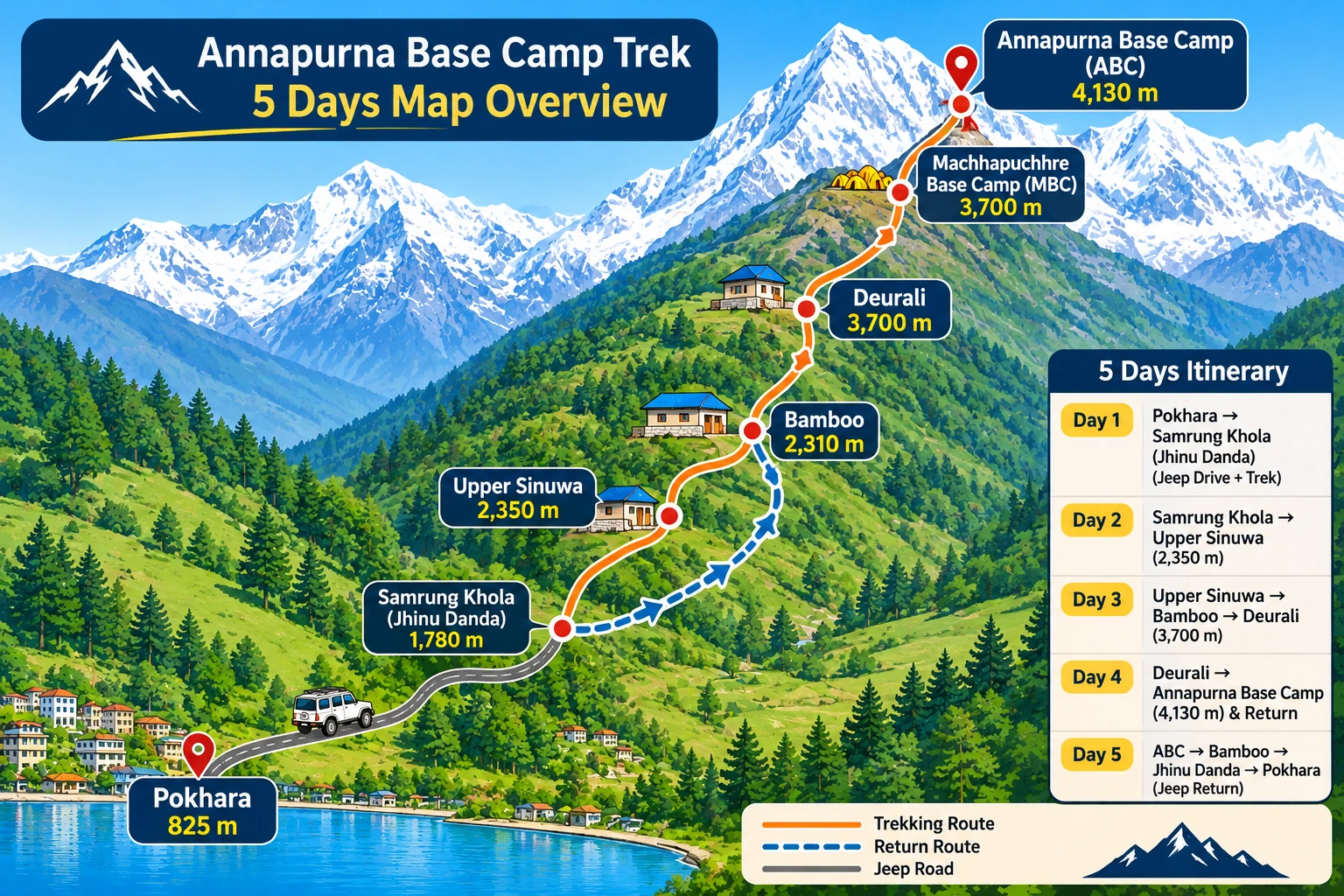
Annapurna Base Camp Trek 5 Days Map Overview
An easy way to visualize your 5-day trip is through this simple geographic map layout:
-
Starting Point: Pokhara city centre (825m)
-
Road Transportation: Shared jeep drive from Pokhara to Samrung Khola / Jhinu Danda trailhead
-
Trekking Trail: Modi Khola River Valley Trail, stone staircases, and alpine ridges
-
Overnight Villages: Upper Sinuwa (2,350m), Deurali (3,700m), and Annapurna Base Camp (4,130m)
-
Key Landmarks: Machhapuchhre Base Camp (3,700m) and Annapurna Base Camp (4,130m)
-
Return Route: Retrace tracks down via Bamboo to Jhinu Danda, followed by jeep transport back to Pokhara
5-Day Annapurna Base Camp Trek Itinerary
| Day |
Route |
Information to Include |
| Day 1 |
Pokhara to trailhead, then trekking to first overnight stop |
• Drive: 3 hours from Pokhara to Samrung Khola/Jhinu Danda
• Ascent: 825m to 2,350m
• Distance: ~5 km
• Accommodation: Teahouse in Upper Sinuwa
|
| Day 2 |
First overnight stop at Upper Trail Village |
• Walking Hours: 7 to 8 hours
• Forests: Walking through lush bamboo and rhododendron trees
• Elevation: 2,350m to 3,700m at Deurali
|
| Day 3 |
Deurali to MBC to ABC |
• Walking Hours: 5 to 6 hours
• Highest Altitude: 4,130 metres at Annapurna Base Camp
• Mountain Views: Spectacular 360-degree views of snow peaks inside the sanctuary
|
| Day 4 |
ABC to lower village |
• Sunrise: Early morning golden sunlight on giant peaks
• Descent: 7 to 8 hours walking downhill back to Upper Sinuwa (2,350m)
|
| Day 5 |
Final descent and drive to Pokhara |
|
• Walking: 3 to 4 hours down to Jhinu Danda hot springs
• Transport: 3-hour jeep drive back to Pokhara to finish your trip
|
|
Annapurna Base Camp Trek 5 Days vs 7 Days vs 4 Days
When planning your Himalayan adventure, choosing the right duration matters just as much as picking the trail. If you are comparing options for your Annapurna Base Camp trek 5 days, looking at how it stacks up against shorter and longer trips helps you pick the safest and most comfortable choice.
Here at Horizon Trek Company, we want to ensure your journey matches your fitness level and comfort. A quick look at the comparison table below shows how these itineraries differ:
| Comparison |
4 Days |
5 Days |
7 Days |
| Duration |
Very compressed |
Compressed |
More flexible |
| Walking intensity |
Very high |
High |
Generally more manageable |
| Acclimatization |
Limited |
Limited |
More opportunity |
| Suitable for |
Highly fit, experienced trekkers |
Fit trekkers |
Wider range of trekkers |
| Recommendation |
Not ideal for most |
Only after careful assessment |
Better option for many travellers |
Why Itinerary Length and Altitude Progression Matter
While a 7-day or longer itinerary gives you more time, it is important to remember that a longer schedule is not automatically safe for everyone. Your safety depends heavily on your daily walking route and how high you sleep each night.
Choosing the right Annapurna Base Camp trek 5 days package requires an honest look at your stamina and previous hiking background. If you want a smooth and balanced journey, our team at Horizon Trek Company is always here to help you pick the perfect pace for your Himalayan dream.
Annapurna Base Camp Trek 5 Days Distance and Height
If you plan to walk this mountain trail, you need to know how far you will hike and how high you will climb. Understanding the daily distance and elevation helps you prepare your body for the trip.
Here are the clear facts about your hiking distance and altitude:
-
Total Walking Distance: Roughly 40 to 45 kilometres (25 to 28 miles) round trip from the road head to base camp and back.
-
Starting Elevation: 825 metres at Pokhara city, with the actual walking trail starting around 1,400 to 1,750 metres depending on your jeep drop-off point.
-
Maximum Height Reached: 4,130 metres at Annapurna Base Camp.
-
Daily Elevation Gain: You climb steadily through river valleys and stone staircases, gaining over 2,300 metres of height from the trailhead up to the base camp sanctuary.
Annapurna Base Camp Trek 5 Days Difficulty Level
This trek is medium to hard. You walk for six to eight hours every day.
Because you finish the trip in five days, your daily walks are long. The trail has thousands of stone steps. Your legs and knees will feel the work.
You do not need to be an expert climber, but you need good daily fitness. Regular cardio exercise and stair climbing before your trip will help you stay strong on the trail.
Fitness Required for the Annapurna Base Camp Trek 5 Days
Because this express route is condensed into just five days, the fitness requirements are higher than they are for the traditional 10-day or 14-day versions of the trek. While you do not need technical climbing skills, it is classified as a moderate to strenuous trek.
Here are the key physical requirements and preparation tips to get ready:
-
Daily Walking Capacity: You must be able to walk comfortably for 6 to 8 hours daily over uneven terrain, stone steps, and steep ascents.
-
Cardiovascular Endurance: Good general heart and lung fitness is essential. Regular cardio training such as running, cycling, or stair-climbing started 2 to 3 months before your trip will help your body handle long hours in thin air.
-
Leg Strength & Knee Stability: The trail features thousands of stone staircases, especially around Chomrong. Strong leg muscles and knee stability are crucial, particularly for managing the steep downhill descents.
-
High Altitude Adaptation: The trek reaches a maximum height of 4,130 metres at Annapurna Base Camp. Because the 5-day schedule is fast, keeping a steady, slow pace and staying hydrated (aiming for 3 to 4 litres of water daily) are vital for managing altitude risks.
Annapurna Base Camp Trek 5 Days Cost and Price
When you plan your Himalayan holiday, budget transparency is essential. Because you are looking for accurate pricing, this section breaks down every fee clearly. Booking your Annapurna Base Camp trek 5 days with a trusted local team like Horizon Trek Company ensures your transport, permits, and mountain safety are managed professionally.
How Much Does the 5-Day ABC Trek Cost per Person?
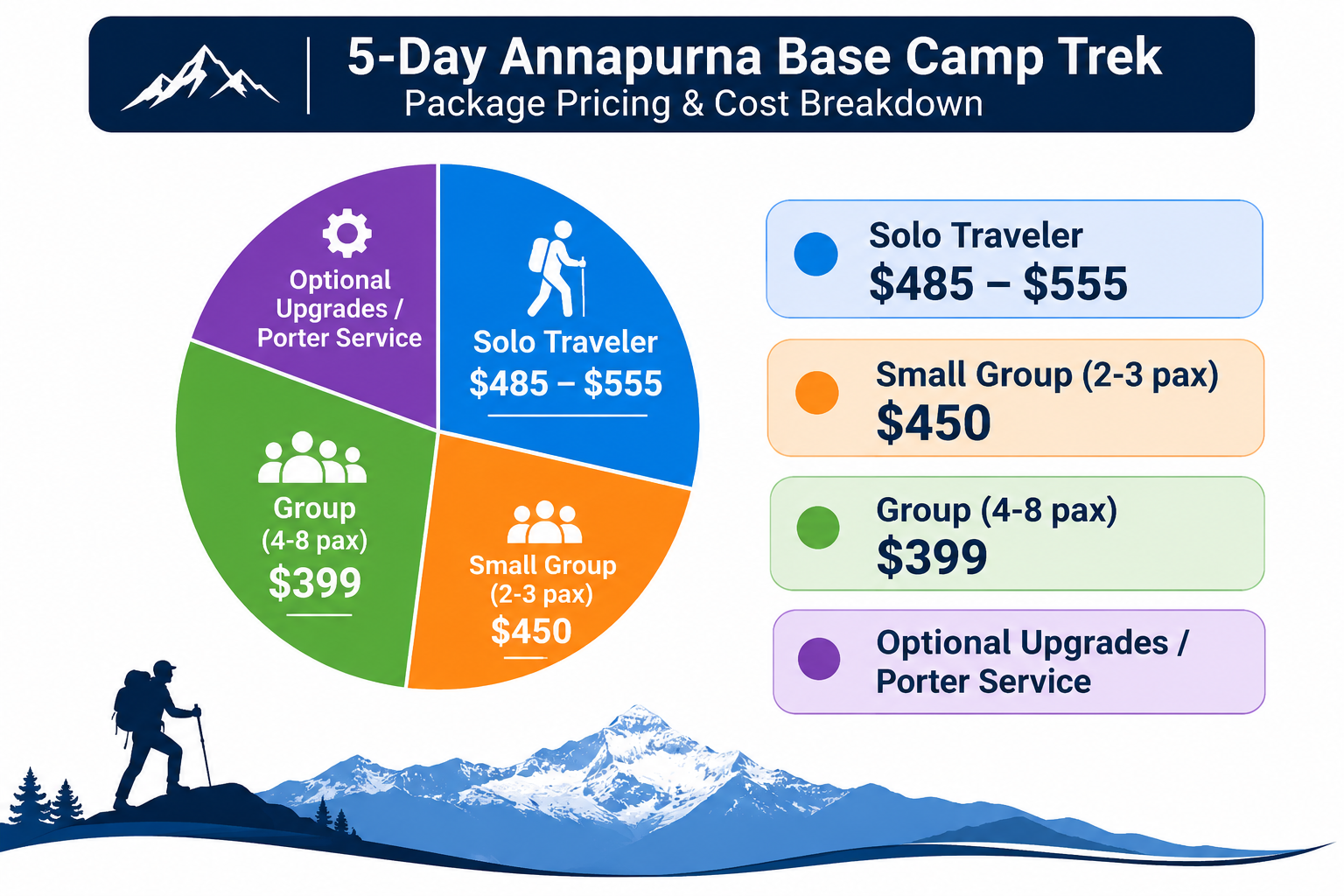
At Horizon Trek Company, our standard guided package for the Annapurna Base Camp trek 5 days ranges from $399 to $485 USD per person. The final price depends on how many people travel in your group:
-
Solo Traveler (1 person): ~$485 – $555 USD
-
Small Group (2 to 3 people): ~$450 USD per person
-
Group (4 to 8 people): ~$399 USD per person
-
Private Jeep Upgrade: Available upon request if you prefer private road transport from Pokhara instead of a shared jeep ride.
-
Porter Service: Optional porter hire is available if you want someone else to carry your heavy backpack along the trail.
-
Optional Services: Extra hotel nights in Pokhara or personalized add-ons can be arranged to fit your holiday schedule.
What Is Included in the Annapurna Base Camp Trek Package?
-
Round-trip shared jeep transport from Pokhara to the trailhead and back
-
An experienced, government-licensed, English-speaking local trekking guide
-
Annapurna Conservation Area Permit (ACAP) and TIMS registration assistance
-
Comfortable teahouse accommodation for all 4 nights on the trail
-
Three daily meals (Breakfast, Lunch, and Dinner) during the trek
-
Guide and porter wages, food, and insurance coverage
-
First-aid medical support kit managed by your guide
-
All local government taxes and agency service charges
What Is Not Included?
-
International flights to and from Nepal
-
Nepal entry visa fees
-
Personal expenses (hot showers, device charging, and Wi-Fi tokens at teahouses)
-
Travel insurance with high-altitude emergency helicopter rescue coverage up to 5,000 metres
-
Extra snacks, bottled water, and cold drinks along the trail
-
Tips for your guide and porters
-
Additional hotel accommodation and meals in Pokhara before or after the trek
-
Optional personal upgrades or extra personal gear rental
Independent Trekking vs. Booking a Package
When you plan the Annapurna Base Camp trek, you can hike on your own or book a tour package. Both choices have good points. Your choice depends on your budget, experience, and comfort.
If you like to plan trips and want full control, independent trekking works well. If you want less stress and full support, a trekking package makes your trip much easier.
Here is a quick comparison:
| Factor |
Independent Trek |
Trekking Package |
| Planning |
You manage all steps by yourself. |
The agency handles the main plans. |
| Guide |
You hire a guide on your own. |
An expert guide is included. |
| Permits |
You get permits through official offices. |
The agency arranges all permits. |
| Accommodation |
You book rooms along the trail. |
Rooms are set up in your package. |
| Transportation |
You arrange your own rides. |
Jeep transport is fully included. |
| Emergency Support |
You handle rescue needs alone. |
The agency gives direct support. |
| Flexibility |
You can change plans at any time. |
Your plan follows the package schedule. |
Which Option Should You Choose?
Independent trekking fits skilled hikers who know how to manage travel plans. It lets you control your daily schedule and spending.
Meanwhile, a trekking package saves time and cuts planning work. It brings together your rooms, rides, guides, and permits. It also keeps you safe because an agency is ready to help if an emergency happens.
You do not need to buy a package for every trip. Pick what fits your budget, skill level, and personal needs. Choose independent travel if you want total freedom. Choose a trekking package if you want ease and support on your Annapurna Base Camp trek 5 days.
Is Buying a Package Really Necessary for the Annapurna Base Camp Trek?
When you plan your trip, you might wonder if you need to book a tour. You can buy a full trek package, or you can hike on your own. Both ways work well.
Your choice depends on your budget, time, and comfort level. Here is what you need to know about booking with a local team versus hiking independently.
Benefits of Booking with a Local Trekking Company
Booking your Annapurna Base Camp trek 5 days with a trusted local operator brings many useful benefits:
-
Local Route Knowledge: Experienced guides know every turn, hill, and safe detour on the mountain trail.
-
Transportation Arrangements: The company books your jeeps so you do not have to negotiate or worry about local rides.
-
Permit Assistance: Experts handle all paperwork and official park fees for you.
-
Accommodation Coordination: Your rooms along the teahouse route are reserved in advance.
-
Licensed Guide Arrangements: You get a trained local guide who speaks English and shares local history.
-
Emergency Response Coordination: If bad weather or health issues happen, your agency coordinates fast help and rescue support.
Can You Do the ABC Trek Independently?
If you prefer full control over your journey, you can trek on your own. However, you must plan carefully for several important factors:
-
Permits and Current Regulations: You must obtain the correct Annapurna Conservation Area Permit (ACAP) before you start. Local rules also require registered guides or TIMS cards for specific routes, so always check the latest updates with the Nepal Tourism Board.
-
Guide Requirements: Independent hiking rules change often in Nepal. Make sure you know if a licensed guide is mandatory for your exact path.
-
Route Planning: You need to map out your daily walking hours, starting points, and rest stops ahead of time.
-
Accommodation Availability: Teahouses fill up fast during peak trekking seasons. Booking rooms on your own requires early arrivals at each village.
-
Weather and Trail Conditions: Mountain weather changes quickly. You must judge storms, snow, and trail safety by yourself.
-
Emergency Preparation: If you get sick or injured, you must organize your own emergency contacts and rescue coordination without agency support.
How to Choose a Reliable Trekking Company
When you plan your Annapurna Base Camp trek 5 days, choosing the right local agency protects your safety, budget, and holiday experience. A trustworthy company operates with full legal backing and puts traveller care first.
Here are the key points to look for when picking a reliable trekking company:
-
Government Registration: Check that the company holds valid business licenses and official registration with the Nepal Tourism Board and the Trekking Agencies' Association of Nepal (TAAN).
-
Licensed Trekking Guides: Ensure they employ trained, government-certified local guides who carry official identification and know mountain safety protocols.
-
Transparent Costs: Look for clear, upfront pricing with no hidden fees, unexpected gear rentals, or sudden trail surcharges.
-
Genuine Customer Reviews: Read independent feedback on Google or TripAdvisor to verify real-world experiences from past travellers.
-
Clear Cancellation Policy: Review terms for rescheduling, weather interruptions, or trip cancellations so you know your payment is protected.
-
Emergency Response Arrangements: Confirm that the agency has solid protocols in place to coordinate fast support and medical evacuations if bad weather or injury occurs.
-
Insurance for Trekking Staff: Verify that the company provides proper medical and accident insurance coverage for all of its guides and porters.
Best Time for the Annapurna Base Camp Trek
When you plan your Annapurna Base Camp trek 5 days, picking the right time of year is very important. Mountain weather changes fast. The best time depends on clear skies, nice temperatures, and safe trails.
Here is a seasonal guide to help you pick your travel dates without any guaranteed promises about clear mountain views.
Spring (March–May)
Spring is a very popular time to visit the mountains. The weather is warm during the day. Wildflowers like red rhododendrons bloom all along the forest trail.
-
Weather: Mild days and cool nights.
-
Visibility: Good views of the peaks most mornings, but clouds can build up by afternoon.
-
Trail Conditions: Dry and dusty paths, making walking easier.
-
Preparation Advice: Bring a light jacket for cold nights and sunscreen for bright sun.
Autumn (September–November)
Autumn is another great season for trekking. The monsoon rains stop, leaving the air fresh and clean after the storms.
-
Weather: Stable, clear skies with comfortable daytime warmth.
-
Visibility: Excellent views of the snow peaks, though weather can change quickly at high altitudes.
-
Trail Conditions: Dry stone steps and solid paths.
-
Preparation Advice: Pack warm layers because temperatures drop fast after sunset at Annapurna Base Camp.
Winter (December–February)
Winter brings cold winds and heavy snow to the higher parts of the trail.
-
Weather: Freezing nights and very cold daytime temperatures at high altitudes.
-
Visibility: Clear blue skies on sunny days, but snow can block parts of the trail.
-
Trail Conditions: Icy stone steps and snow-covered paths near base camp.
-
Preparation Advice: Bring heavy down jackets, thermal underwear, and sturdy boots with a good grip.
Monsoon (June–August)
Monsoon is the rainy season in Nepal. Heavy downpours hit the lower hills almost every day.
-
Weather: Heavy rain, cloudy skies, and high humidity.
-
Visibility: Mountain views are often blocked by thick clouds and mist.
-
Trail Conditions: Muddy paths, slippery stone stairs, and leeches in the green forests.
-
Preparation Advice: Pack good rain gear, waterproof bags for your electronics, and insect repellent.
| Season |
Weather |
Visibility |
Trail Conditions |
Preparation Advice |
| Spring (March–May) |
Warm days, cool nights |
Good mornings, cloudy afternoons |
Dry and dusty |
Bring sun cream and light layers |
| Autumn (Sept–Nov) |
Stable and clear |
Best peak views |
Dry and firm |
Pack warm clothes for cold nights |
| Winter (Dec–Feb) |
Freezing and cold |
Clear days, snowy peaks |
Icy and snowy |
Bring heavy down jackets and warm gear |
| Monsoon (June–Aug) |
Heavy rain and damp |
Poor due to clouds |
Muddy and slippery |
Pack raincoats and leech protection |
Required Permits for the Annapurna Base Camp Trek
Annapurna Conservation Area Permit (ACAP)
You must hold a valid Annapurna Conservation Area Permit (ACAP) to enter the region. This official fee funds trail repairs, clean water stations, and local community projects. You can check current fees through the Nepal Tourism Board or official offices in Kathmandu and Pokhara.
TIMS Card and Guide Requirements
The Nepal Tourism Board enforces safety rules for specific paths, including Poon Hill and Annapurna Base Camp routes. These rules require a registered guide and proper registration cards. Trail rules change often, so always check the exact route rules with your local agency before you start walking.
Documents Required for Trekking Permits
-
Your valid passport with at least six months of remaining time
-
Passport photos or digital files as requested by local offices
-
Details of your registered trekking agency and licensed guide
Accommodation and Food During the 5-Day ABC Trek
What Are Annapurna Base Camp Teahouses Like?
Mountain teahouses are cozy, family-run lodges built along the trail. They offer warm indoor dining spaces where travellers gather around central stoves during chilly evenings.
Types of Rooms and Toilet Facilities
-
Bedrooms: Simple twin-share rooms featuring wooden beds, foam mattresses, and clean blankets.
-
Toilets: Facilities are generally shared and become more basic as you gain elevation.
What Food Can You Eat During the Trek?
-
Dal bhat: The classic Nepali energy meal of rice, lentil soup, and vegetable curry.
-
Noodles: Warm noodle soups and fried noodle dishes.
-
Rice and vegetables: Simple, filling plates with seasonal local vegetables.
-
Soup: Garlic and vegetable soups that help keep you warm.
-
Eggs: Boiled, fried, or omelette options for breakfast.
-
Tibetan bread: Freshly fried flatbread served plain or with honey.
-
Tea and coffee: Hot black tea, milk tea, ginger lemon honey tea, and coffee.
Can You Charge Your Phone and Use Wi-Fi?
Teahouses offer electricity and Wi-Fi, but facilities vary by lodge and location. Most lodges charge a small extra fee per device for charging or network tokens.
Altitude Sickness and Safety During the Short ABC Trek
What Is the Highest Altitude of the Trek?
-
Annapurna Base Camp: Approximately 4,130 metres
-
Machhapuchhre Base Camp: Approximately 3,700 metres
Common Symptoms of Acute Mountain Sickness (AMS)
How to Reduce Altitude Sickness Risk
-
Ascend at a steady, gradual pace where possible
-
Avoid climbing higher if mild symptoms appear
-
Drink plenty of fluids to stay hydrated
-
Avoid drinking alcohol on the trail
-
Follow your licensed guide's safety instructions closely
-
Descend immediately if your symptoms worsen
What Happens in a Medical Emergency?
The CDC states that ascent speed, sleeping height, and personal health affect your risk at high altitude. Short trips demand close self-checks. If bad symptoms strike, your guide uses mountain radio or phone networks. They arrange a fast walk down or an emergency helicopter rescue using your travel insurance.
What Should You Pack for the 5-Day ABC Trek?
Clothing and Layering System
-
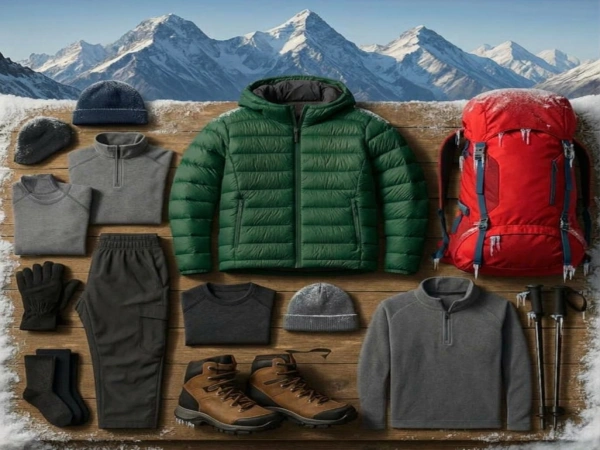
Thermal base layers, moisture-wicking shirts, fleece jackets, and a windproof down jacket
-
Trekking trousers, comfortable camp clothes, and warm wool socks
Trekking Shoes and Equipment
-
Sturdy, broken-in hiking boots with good ankle support
-
Trekking poles to protect your knees on stone stairs
-
A daypack and a comfortable duffel bag
Personal Hygiene and First Aid
-
Biodegradable soap, wet wipes, hand sanitizer, and high-SPF sunscreen
-
Personal medications and a basic first-aid kit
Water Bottles and Purification Equipment
Why Choose Nepal Horizon Treks for Your Annapurna Base Camp Adventure?
Experienced Local Trekking Guides
Our government-licensed local guides bring years of mountain experience, first-aid training, and deep local knowledge to keep your journey safe and enjoyable.
Small Group and Personalized Trekking Experience
We run small-group departures and private trips that ensure personalized care, flexible pacing, and close attention from our support crew.
Safety and Emergency Support
We maintain reliable communication lines, carry complete medical kits, and follow strict safety protocols for every group on the trail.
Transparent Pricing and Customer Support
Our packages feature clear, upfront costs with no hidden fees, giving you full confidence as you plan your holiday.
Real Customer Reviews and Trekking Experiences
Travellers love our professional service, friendly guides, and seamless logistics.
Book the 5-Day Annapurna Base Camp Trek Today to lock in your dates, or explore our alternative trekking options!
Frequently asked questions
Is the 5-day Annapurna Base Camp trek doable for regular trekkers?
Yes, you can complete this trip. However, you need good fitness, strong leg stamina, and daily endurance.
What permits do I need for this trek?
You must get an Annapurna Conservation Area Permit (ACAP). You also need a registered guide card. Horizon Trek Company handles both permits for you.
What are the teahouses like?
Teahouses are simple lodges run by local families. Rooms feature two single wooden beds, thin mattresses, and clean blankets. Bathrooms are shared.
Can I charge my phone on the trail?
Yes, you can charge devices. Lodges charge a small fee of $1 to $3 per device. You should bring a power bank to save money.
What is the best moment on the trek?
The best moment happens at dawn. You stand at Annapurna Base Camp and watch the morning sun turn the giant mountain walls gold.