

The Annapurna Base Camp Trek is one of Nepal’s most rewarding Himalayan adventures, combining spectacular mountain scenery, traditional villages, lush forests, and the dramatic landscapes of the Annapurna Sanctuary. Unlike longer Himalayan treks, the Annapurna Base Camp trek takes you deep into the mountains without requiring weeks of walking.
The trail leads through the beautiful Annapurna region toward Annapurna Base Camp (ABC), located at 4,130 meters, where you are surrounded by an incredible natural amphitheater of towering Himalayan peaks.
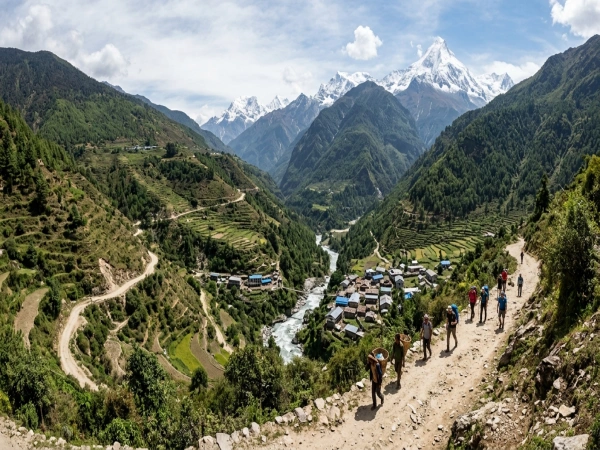
From rhododendron forests and terraced hillsides to traditional Gurung and Magar villages and high-altitude landscapes, every day of the trek offers something different.
If you are looking for a Himalayan trek that combines mountain views, cultural experiences, manageable duration, and an unforgettable high-altitude destination, the Annapurna Base Camp Trek is an excellent choice.
What Is the Annapurna Base Camp Trek?
The Annapurna Base Camp Trek is a trekking route through Nepal’s Annapurna region that takes travelers into the Annapurna Sanctuary, a natural basin surrounded by some of the highest mountains in the world.
The journey typically begins from the lower hills near Pokhara and gradually climbs through villages, forests, river valleys, and alpine terrain before reaching Annapurna Base Camp at 4,130 meters.
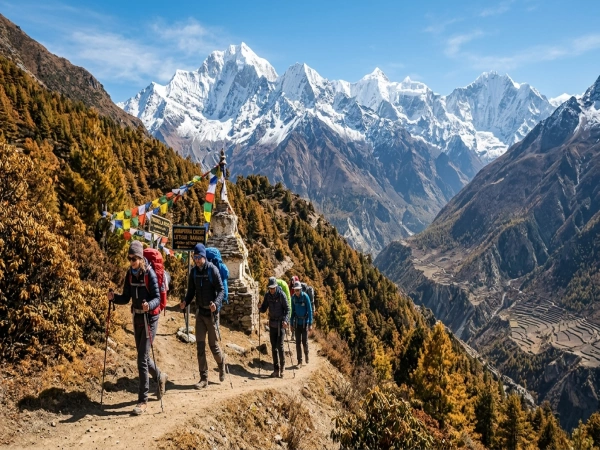
One of the highlights of the trek is the dramatic change in scenery as you gain altitude. The trail passes through dense rhododendron forests at lower elevations before opening into a spectacular mountain landscape closer to Machhapuchhre Base Camp and Annapurna Base Camp.
The trek is non-technical, meaning you do not need mountaineering or climbing experience. However, good preparation is important because the route includes steep sections, stone steps, long walking days, and significant elevation gain.
Annapurna Base Camp Trek Quick Facts
| Trek Feature | Details |
| Destination | Annapurna Base Camp, Nepal |
| Region | Annapurna Conservation Area |
| Maximum Altitude | 4,130 m |
| Starting Point | Typically near Pokhara |
| Trek Duration | Around 7–12 trekking days |
| Difficulty | Moderate to challenging |
| Trek Type | Teahouse trekking |
| Best Seasons | Spring and autumn |
| Main Destination | Annapurna Base Camp |
| Technical Climbing | Not required |
| Suitable For | Prepared beginners and experienced trekkers |
The exact duration and route can vary depending on the starting point, transportation, itinerary, acclimatization requirements, and whether you choose to combine ABC with other Annapurna routes.
Why Trek to Annapurna Base Camp?
There are plenty of reasons why the Annapurna Base Camp Trek remains one of Nepal’s most popular trekking experiences.
1. Incredible Himalayan Mountain Views
The biggest attraction is, of course, the mountains.
As you approach the sanctuary, the landscape becomes increasingly dramatic, with spectacular views of Annapurna I, Annapurna South, Machhapuchhre (Fishtail), Hiunchuli, Gangapurna, and other Himalayan peaks.
Reaching Annapurna Base Camp puts you directly inside a spectacular mountain amphitheater rather than simply viewing the mountains from a distance.
2. The Annapurna Sanctuary
The Annapurna Sanctuary is a naturally enclosed high-altitude basin surrounded by Himalayan peaks.
Walking deeper into the sanctuary feels completely different from trekking through the lower valleys. The landscape becomes more open, rugged, and dramatic as the mountains rise around you.
3. Gurung and Magar Culture
The trail passes through traditional mountain communities where visitors can experience local architecture, food, hospitality, and everyday Himalayan life.
Villages along the route provide an opportunity to slow down and experience a side of Nepal that you simply cannot see from the cities.
4. Rhododendron Forests
Lower sections of the trek pass through beautiful forests, particularly impressive during spring when rhododendrons bloom.
The combination of colorful forests, waterfalls, mountain streams, and Himalayan peaks makes the trail especially scenic.
5. A Shorter Himalayan Adventure
Compared with some of Nepal’s longer trekking routes, Annapurna Base Camp can be completed in a relatively short period.
That makes it attractive to travelers who want a genuine Himalayan trekking experience without committing to a three-week or longer adventure.
Annapurna Base Camp Trek Itinerary
A well-planned Annapurna Base Camp itinerary allows enough time to enjoy the trail without rushing toward the destination.
A typical itinerary may look like this:
Day 1: Arrival in Kathmandu
Arrive in Kathmandu and prepare for your trek. Depending on your schedule, you can explore the city or use the day to organize permits, trekking gear, and other essentials.
Day 2: Kathmandu to Pokhara
Travel from Kathmandu to Pokhara by road or flight.
Pokhara is the gateway to the Annapurna region and is also a great place to relax before beginning the trek.
Day 3: Pokhara to Trek Starting Point – Trek to Chhomrong/Sinuwa Area
Drive toward the trailhead and begin trekking through villages, forests, and terraced hillsides.
The exact overnight location depends on the selected route and current road conditions.
Day 4: Trek Toward Himalaya/Deurali
Continue through the Annapurna foothills, following the trail deeper into the sanctuary.
The vegetation gradually changes as you gain elevation.
Day 5: Deurali to Machhapuchhre Base Camp
Trek toward Machhapuchhre Base Camp, surrounded by increasingly dramatic mountain scenery.
The trail becomes more alpine as you move higher.
Day 6: Machhapuchhre Base Camp to Annapurna Base Camp
This is the highlight of the journey.
Continue toward Annapurna Base Camp at 4,130 meters. As the trail opens into the sanctuary, towering Himalayan peaks surround you from almost every direction.
Spend time enjoying the views and celebrating your arrival at ABC.
Day 7: Annapurna Base Camp to Lower Elevation
Wake up early if weather conditions allow to enjoy the morning mountain scenery before beginning your descent.
The return journey is generally easier on the lungs as you lose elevation, although descending steep sections can still be demanding on the legs.
Day 8–10: Return Trek and Drive to Pokhara
Continue descending through the mountain villages and forests before reaching the roadhead.
Drive back to Pokhara and enjoy some well-earned rest.
Day 11: Pokhara to Kathmandu
Return to Kathmandu by flight or road, depending on your itinerary.
Note: The exact Annapurna Base Camp itinerary can change according to the chosen route, road conditions, weather, accommodation availability, and trekking pace. A customized itinerary can also be arranged around your travel schedule.
Annapurna Base Camp Trek Cost
The Annapurna Base Camp Trek cost depends on several factors, including trek duration, group size, transportation, accommodation, guide and porter services, permits, and the services included in your package.
A typical guided ABC trek package may include:
- Kathmandu–Pokhara transportation
- Pokhara–trek starting point transportation
- Licensed trekking guide
- Porter service
- Teahouse accommodation
- Meals during the trek
- Required trekking permits
- Conservation area fees
- Ground transportation
- Basic first-aid support
- Government taxes and service charges
Additional personal expenses may include:
- International flights
- Nepal visa
- Travel insurance
- Personal trekking equipment
- Snacks and drinks
- Wi-Fi
- Charging
- Hot showers
- Tips
- Personal purchases
- Emergency evacuation
Before booking, always check exactly what is included in your trekking package because prices and inclusions vary between operators.
Annapurna Base Camp Trek Difficulty
The Annapurna Base Camp Trek difficulty is generally considered moderate to challenging.
You do not need technical climbing skills, but the trek still requires physical endurance.
You can expect:
- Long walking days
- Steep uphill sections
- Numerous stone steps
- Uneven mountain trails
- Significant elevation gain
- Cold temperatures at higher elevations
- Consecutive days of trekking
The altitude is also an important consideration. Although ABC is lower than Everest Base Camp, the elevation of 4,130 meters is high enough for altitude-related symptoms to occur.
A comfortable pace, proper hydration, sufficient rest, and a sensible itinerary can make a significant difference.
Annapurna Base Camp Altitude
The maximum altitude of the standard Annapurna Base Camp Trek is approximately 4,130 meters (13,550 feet).
The gradual increase in elevation is one reason itinerary planning matters.
Rather than focusing only on how quickly you can reach ABC, it is better to allow your body enough time to adapt to changing elevation.
If you experience symptoms such as severe headache, unusual dizziness, difficulty breathing, confusion, or significant weakness, tell your guide immediately and do not ignore worsening symptoms.
Best Time for Annapurna Base Camp Trek
The best time for the Annapurna Base Camp Trek is generally during spring and autumn, when trekking conditions are usually more favorable.
Spring: March to May
Spring brings warmer conditions, clearer mountain views, and blooming rhododendrons.
March, April, and May are particularly attractive for travelers who want to experience the colorful forests along the trail.
Autumn: September to November
Autumn is another popular trekking season.
After the monsoon, the mountain scenery can be particularly clear, while temperatures are generally comfortable for trekking.
Winter: December to February
Winter trekking is possible, but temperatures can become very cold at higher elevations. Snow can also affect parts of the route.
Trekkers choosing winter should be properly equipped and prepared for changing mountain conditions.
Monsoon: June to August
The monsoon season can bring heavy rainfall, muddy trails, slippery sections, clouds, and potential transportation disruptions.
However, experienced trekkers may still choose to travel during this period depending on conditions and their itinerary.
Annapurna Base Camp Trek Permits
Trekkers generally need the required permits and entry documentation for the Annapurna region.
These may include the Annapurna Conservation Area Permit (ACAP) and the Trekkers’ Information Management System (TIMS) requirements applicable to the trek.
Permit rules, fees, and requirements can change, so it is important to check the latest regulations before your trek.
If you book with Nepal Horizons Trek, your trekking team can help organize the required documentation as part of your preparation.
Accommodation During the Annapurna Base Camp Trek
The Annapurna Base Camp route is primarily a teahouse trek.
Teahouses and lodges provide basic but comfortable accommodation along the trail.
Rooms are generally simple, with beds and blankets or other basic bedding. Bathrooms may be shared, particularly at higher elevations.
As you climb higher, facilities become more basic and personal services such as hot showers, charging, and Wi-Fi may cost extra.
The goal is not luxury—the experience is about being in the mountains, sharing meals with fellow trekkers, and enjoying the Himalayan environment.
Food on the Annapurna Base Camp Trek
You will find a surprisingly wide variety of food along the Annapurna Base Camp route.
Common meals include:
- Dal bhat
- Momo
- Thukpa
- Noodles
- Fried rice
- Pasta
- Soup
- Eggs
- Pancakes
- Porridge
- Potatoes
- Tibetan bread
Dal bhat is particularly popular among trekkers because it provides a filling combination of rice, lentils, vegetables, and other sides.
At higher elevations, food choices can become more limited, so eating enough and staying hydrated is important.
Annapurna Base Camp Trek Packing List
Packing smart can make your trek significantly more comfortable.
Clothing
- Moisture-wicking base layers
- Thermal layers
- Fleece jacket
- Down jacket
- Waterproof/windproof jacket
- Trekking pants
- Warm hat
- Gloves
- Trekking socks
- Comfortable underwear
Footwear
- Good-quality trekking boots
- Comfortable camp shoes or sandals
Trekking Equipment
- Daypack
- Duffel bag
- Sleeping bag
- Trekking poles
- Headlamp
- Water bottles
- Sunglasses
- Sunscreen
- Lip balm
Personal & Travel Essentials
- Passport
- Travel insurance documents
- Necessary medications
- Basic first-aid supplies
- Power bank
- Phone/camera
- Universal adapter
- Nepali rupees
Avoid overpacking. A lighter bag makes steep climbs and long trekking days much easier.
Altitude Sickness and Safety
Altitude sickness can affect anyone, regardless of age or fitness level.
The risk increases as you gain elevation, which is why a sensible itinerary and gradual ascent are important.
Common mild symptoms can include:
- Headache
- Tiredness
- Dizziness
- Loss of appetite
- Nausea
- Difficulty sleeping
Always communicate with your guide if you feel unwell.
Do not attempt to simply push through serious or worsening symptoms. In the mountains, recognizing problems early is one of the most important parts of staying safe.
Travel insurance that includes appropriate trekking and emergency evacuation coverage is also strongly recommended.
Can Beginners Do the Annapurna Base Camp Trek?
Yes, beginners can complete the Annapurna Base Camp Trek with proper preparation.
You do not need previous Himalayan trekking experience or technical climbing skills.
However, being a beginner does not mean the trek is effortless.
Before your trip, work on:
- Cardiovascular endurance
- Leg strength
- Walking stamina
- Uphill training
- Regular hikes
- Stair climbing
- Carrying a light backpack
Starting your preparation several weeks before the trek can make the experience considerably more enjoyable.
The most important thing is not speed. Consistency, pacing, preparation, and listening to your body matter more than trying to become the fastest person on the trail.
Annapurna Base Camp Trek vs Other Nepal Treks
Nepal has trekking routes for almost every type of traveler.
The Annapurna Base Camp Trek stands out because it combines a relatively manageable trekking duration with impressive Himalayan scenery and cultural experiences.
Compared with Everest Base Camp, ABC reaches a lower maximum altitude and can be completed in fewer trekking days depending on the itinerary.
Compared with longer circuits such as the Manaslu Circuit, the Annapurna Base Camp route focuses more directly on reaching a spectacular mountain sanctuary rather than completing a large Himalayan circuit.
If your priority is mountain scenery, cultural villages, rhododendron forests, and a shorter Himalayan adventure, Annapurna Base Camp is an excellent option.
Why Trek Annapurna Base Camp With Nepal Horizons Trek?
A successful Himalayan trek depends on more than simply following a trail.
At Nepal Horizons Trek, we focus on creating a trekking experience that is safe, well-organized, and enjoyable from the moment you arrive in Nepal.
Our team can assist with:
- Experienced local trekking guides
- Carefully planned itineraries
- Accommodation arrangements
- Transportation
- Trekking permits
- Porter services
- Flexible private and group trips
- Customized itineraries
- Local support throughout the trek
Whether this is your first Himalayan adventure or you are returning to Nepal for another trek, we can help design an Annapurna Base Camp Trek around your schedule, interests, and trekking pace.
Final Thoughts: Is Annapurna Base Camp Worth It?
Absolutely.
The Annapurna Base Camp Trek offers an incredible combination of Himalayan scenery, mountain culture, forests, traditional villages, and adventure without requiring technical mountaineering skills.
Standing inside the Annapurna Sanctuary with enormous Himalayan peaks surrounding you is an experience that is difficult to describe until you see it for yourself.
With the right preparation, a well-planned itinerary, appropriate gear, and reliable local support, the journey to Annapurna Base Camp can become one of the most memorable experiences of your time in Nepal.
Ready to Explore the Annapurna Sanctuary?
Your journey to Annapurna Base Camp starts long before you reach the mountains.
Let Nepal Horizons Trek help you plan a comfortable, well-organized, and unforgettable adventure through the Annapurna region.
Whether you prefer a private trek, a group adventure, or a customized itinerary, our local team is ready to help you turn your Himalayan trekking plans into reality.
Ready to trek to Annapurna Base Camp? Contact Nepal Horizons Trek today and start planning your Annapurna adventure.