

Nepal Trekking Guide 2026: Best Treks, Costs, Routes & Tips
1. Introduction to Trekking in Nepal
Nepal is one of the world's most popular destinations for mountain trekking, offering
everything from short Himalayan Treks to challenging high-altitude adventures. With routes
passing through mountain landscapes, traditional villages, ancient monasteries and diverse
cultural communities, trekking in Nepal is as much a cultural experience as it is an outdoor
adventure.
From the legendary Everest Base Camp Trek to the scenic Annapurna Base Camp,
Annapurna Circuit, Manaslu, Langtang and Mardi Himal treks, there is a route for almost
every type of traveler.
But choosing the right Nepal trek can be difficult. How many days should you spend? Which
route matches your fitness level? What does trekking in Nepal cost? When is the best time
to go? What permits and equipment do you need?
This Nepal Trekking Guide 2026 answers those questions and covers the best treks in
Nepal, popular trekking routes, estimated costs, difficulty levels, trekking seasons, permits,
preparation, packing and practical tips to help you plan your Himalayan adventure.
2. Why Choose Nepal for Trekking in 2026?
Nepal offers an unusual combination of spectacular Himalayan scenery, diverse trekking
routes and rich mountain cultures. Whether you're planning your first Himalayan trek or
looking for a more demanding adventure, Nepal has routes that can be adapted to different
levels of experience, available time and fitness.
The Himalayas and Mount Everest
Nepal is home to eight of the world's fourteen mountains above 8,000 meters, including
Mount Everest. Its trekking regions offer views of some of the world's most famous peaks,
including Everest, Lhotse, Nuptse, Ama Dablam, Annapurna and Manaslu.Trekking Routes for Different Experience Levels
Not every Nepal trek requires weeks of hiking at extreme altitude. Shorter routes such as
Ghorepani Poon Hill and Mardi Himal can provide Himalayan mountain views within a
shorter itinerary, while longer routes such as Everest Base Camp and Manaslu offer more
demanding high-altitude experiences.
Nepal Horizon currently offers trekking options across the Everest, Annapurna, Manaslu,
Langtang, Dolpo and Mustang regions.
Mountain Culture and Local Communities
Trekking in Nepal also takes you through communities with distinct cultures and traditions.
Depending on your route, you may encounter Sherpa, Gurung, Tamang and other
Himalayan communities, along with monasteries, prayer flags, traditional villages and
teahouses.
For example, Nepal Horizon's Everest Base Camp itinerary includes time in Sherpa villages,
Namche Bazaar, Tengboche Monastery and Khumjung, combining mountain scenery with
opportunities to experience local culture.
Teahouse Trekking
One of the things that makes trekking in Nepal accessible is its established network of
teahouses and lodges along many of the major trekking routes.
Instead of carrying camping equipment and food for an entire journey, trekkers can generally
stay in local lodges and eat meals along the trail. The experience varies by region and
altitude, but teahouse trekking allows visitors to travel through the Himalayas while
experiencing local hospitality.
Local Guides and Trekking Support
For many trekkers, especially those attempting a high-altitude route for the first time, local
knowledge can make a significant difference.
At Nepal Horizon we have our guides that are locally experienced and government-certified
guides who will be guiding for altitude-safety preparation, first-aid training, acclimatization
planning and 24/7 support as part of the trekking services.
3. Best Treks in Nepal in 2026
Nepal has dozens of established trekking routes, so the best trek for you depends on your
available time, fitness, experience, budget and what you want to experience.
For 2026, some of the most popular options available through Nepal Horizon includes
Everest Base Camp, Annapurna Base Camp, Everest Base Camp Heli Trek, Langtang
Valley, Ghorepani Poon Hill and Mardi Himal.Here are the main routes we recommend considering.
1. Everest Base Camp Trek
Best for: First major Himalayan adventure, iconic Everest scenery and Sherpa culture
Duration: 14–16 days, depending on itinerary
Difficulty: Moderate
Maximum altitude: 5,545m at Kala Patthar
The Everest Base Camp Trek is one of Nepal's most famous trekking experiences. The
classic route begins with a flight to Lukla before continuing through Phakding, Namche
Bazaar, Tengboche, Dingboche and Lobuche to Everest Base Camp.
Along the way, trekkers experience Sherpa villages, Buddhist monasteries, Sagarmatha
National Park and spectacular views of Everest, Lhotse, Nuptse and Ama Dablam.
Nepal Horizon's 14-day itinerary reaches Everest Base Camp at 5,364m and includes a
hike to Kala Patthar at 5,545m, a major viewpoint for Himalayan panoramas.
Why choose EBC?
● Iconic views of Mount Everest
● Experience the Khumbu region
● Visit Namche Bazaar and Tengboche Monastery
● Experience Sherpa culture
● Reach Everest Base Camp
● Sunrise views from Kala Patthar
2. Annapurna Base Camp Trek
Best for: Mountain scenery, cultural experiences and a classic Himalayan trek in a shorter
timeframe
The Annapurna Base Camp Trek takes trekkers into the heart of the Annapurna Sanctuary,
surrounded by dramatic Himalayan peaks.
The route passes through villages and mountain landscapes before reaching Annapurna
Base Camp at around 4,130m. Nepal Horizon currently lists its Annapurna Base Camp Trek
as a 13-day itinerary.
Highlights include:
● Annapurna mountain views
● Traditional Himalayan villages
● Rhododendron forests
● Ghorepani and Tadapani
● Chhomrong
● Annapurna Base Camp
● Himalayan sunrise and sunset views
3. Annapurna Circuit Trek
Best for: Trekkers who want changing landscapes, mountain passes and a longer
Himalayan journey
The Annapurna Circuit is known for its remarkable geographical and cultural diversity.
Depending on the itinerary, the route moves from lower valleys through increasingly high
mountain landscapes before crossing the Thorong La area.
It is a good option for travelers who want more than a single mountain destination and are
interested in experiencing several different environments and communities along one trek.
Highlights include:
● Diverse landscapes
● Himalayan villages
● High mountain passes
● Annapurna and Dhaulagiri views
● Cultural diversity
● Dramatic changes in altitude and terrain
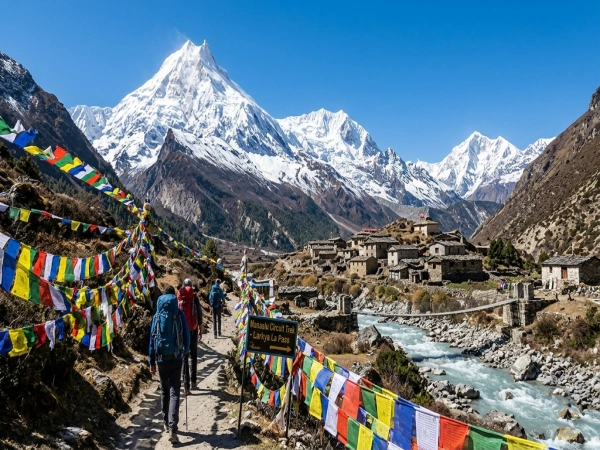
4. Manaslu Circuit Trek
Best for: Experienced trekkers looking for a quieter and more remote Himalayan experience
The Manaslu Circuit Trek takes you around Mount Manaslu and through a region known for
its dramatic mountain scenery, traditional villages and Tibetan-influenced culture.
Compared with some of Nepal's more established trekking routes, Manaslu offers a more
remote experience while still having teahouse infrastructure along much of the trail.
Highlights include:
● Mount Manaslu
● Remote Himalayan landscapes
● Tibetan-influenced villages
● Buddhist monasteries
● Larkya La
● Less crowded trails
5. Langtang Valley Trek
Best for: Trekkers looking for a Himalayan experience closer to Kathmandu
The Langtang Valley Trek combines mountain scenery, traditional villages, forests and
Himalayan culture without requiring the same length of journey as some of the longer
high-altitude routes.
At Nepal Horizons has Langtang Valley Trek 11-day itinerary and includes Langtang among
its major trekking regions.
Highlights include:
● Langtang Valley
● Himalayan mountain views
● Tamang culture
● Forest trails
● Traditional villages
● Kyanjin area
6. Mardi Himal Trek
Best for: Shorter Himalayan trekking and spectacular mountain views
The Mardi Himal Trek is a popular option for travelers who want a Himalayan trekking
experience without committing to a two-week-plus itinerary.
The route offers views toward the Annapurna range and takes trekkers through forests,
mountain villages and high-altitude landscapes.
7. Ghorepani Poon Hill Trek
Best for: Beginners, shorter trips and Himalayan sunrise views
If you have limited time but still want to experience trekking in the Annapurna region,
Ghorepani Poon Hill is one of the routes worth considering.
Nepal Horizon currently lists the trek as an 8-day itinerary.
The trek is particularly known for its panoramic mountain views and sunrise experience from
Poon Hill.
5. Nepal Trekking Comparison: Which Trek Is Right for You?
Here's the comparison to quickly identify which route fits for you.Trek
| Trek | Typical Duration* | Typical Duration* | Approx. Highest Point* | Best For |
| Everest Base Camp | 14–16 days | Moderate | 5,545m | Iconic Everest adventure |
| Annapurna Base Camp | 13 days | Moderate | 4,130m | Mountain scenery & culture |
| Annapurna Circuit | Depends | Moderate- Challenging | High altitude | Diverse landscapes |
| Manaslu Circuit | Depends | Challenging | High altitude | Remote trekking |
| Langtang Valley | 11 days | Moderate | High altitude | Himalayan experience near Kathmandu |
| Mardi Himal | 10 days | Moderate | High altitude | Shorter mountain adventure |
| Ghorepani Poon Hill | 8 days | Moderate | High altitude | Short trek & sunrise views |
*Exact duration, altitude and difficulty depend on the specific itinerary.
5. How Much Does Trekking in Nepal Cost in 2026?
For travelers planning a trek in 2026, it is therefore more useful to look at what is included
in a trekking package rather than relying on a single daily price.
What Determines the Cost of a Nepal Trek?
Several factors influence the total cost of a trekking trip:
● Trek duration: Longer itineraries require more days of accommodation, meals,
guides and porters.
● Trekking region: Remote and restricted regions generally require additional permits
and logistics.
● Guide and porter services: Guided and fully supported treks cost more than
independent trekking.
● Accommodation and meals: Most popular routes use teahouses, while some
packages offer different levels of accommodation.
● Permits: National park, conservation-area and restricted-area permits vary by
destination.
● Transportation: Domestic flights, private vehicles, buses and jeeps can add to the
overall cost.
● Group size: Private trips and smaller groups may have different per-person costs.
● Equipment: Trekking gear, sleeping bags, down jackets and poles may need to be
purchased or rented.
How Much Does a Nepal Trekking Package Cost?
There isn't one fixed price for trekking in Nepal because every route and package is
different.
For example, Nepal Horizon currently lists its 16-day Everest Base Camp Trek from
US$1,400, while its 13-day Annapurna Base Camp Trek has its own package pricing and
inclusions.
Nepal Horizon also offers shorter options. Its 5-day Ghorepani Poon Hill Trek currently
starts from US$400, making shorter routes an option for travelers with limited time or
budget.
Tip: When comparing Nepal trekking prices, don't choose a package based only on the
advertised price. Check exactly what is included—such as accommodation, meals, permits,
guide, porter, transportation and equipment.
What Is Included in a Nepal Trekking Package?
● Airport transfers
● Ground transportation
● Domestic transportation or flights where required
● Teahouse accommodation
● Breakfast, lunch and dinner during the trek
● Government-licensed trekking guide
● Porter service
● Trekking permits
● Necessary paperwork
● Staff insurance and expenses
● Government and local taxes
● Basic medical/first-aid support
● Trekking maps
● Sleeping bag and down jacket on selected Nepal Horizon packages
For example, Nepal Horizon's current Annapurna Base Camp package includes teahouse
accommodation, three meals during the trek, a government-licensed guide, porter service,
permits, taxes, a medical kit, a down jacket and sleeping bag.
What Is Usually Not Included?
Travelers should also budget for expenses that aren't included in their trekking package.These can include:
● International flights
● Nepal visa
● Travel and rescue insurance
● Personal shopping
● Laundry
● Phone calls
● Extra charging or shower fees
● Bottled or boiled water
● Personal snacks
● Extra transportation outside the itinerary
● Tips for guides, porters and drivers
Can You Trek Nepal on a Budget?
Yes. Nepal offers trekking options for different budgets, but budget trekking doesn't
necessarily mean choosing the cheapest possible package.
You can reduce your overall cost by:
● Choosing a shorter trekking route
● Traveling in a group
● Selecting a standard teahouse package
● Renting equipment instead of purchasing everything
● Choosing a route with easier ground transportation
● Avoiding unnecessary luxury services
However, don't cut costs at the expense of safety, proper acclimatization, qualified
guides or appropriate equipment especially on high-altitude treks.
Nepal Trekking Equipment Rental
If you don't have all the necessary gear, Nepal Horizon offers rental options for selected
trekking equipment, including sleeping bags, trekking poles and down jackets. This
can be particularly useful for travelers who only plan to trek once and don't want to invest in
expensive high-altitude gear.
6. Best Time for Trekking in Nepal in 2026
For most of Nepal's major trekking regions, spring and autumn are the most popular
seasons because they generally offer favorable trekking conditions and good mountain
visibility. March–May and October–November are particularly favorable periods for
Himalayan trekking.
Summer & Monsoon: June to September
The summer monsoon brings significant rainfall to much of Nepal.
Rain can result in:
● Wet and slippery trails
● Reduced mountain visibility
● Landslides in some areas
● Flight and transportation disruptions
However, not every trekking region is equally affected by monsoon. Some rain-shadow
regions can still be suitable for trekking during this period.
Autumn: September to November
Autumn is one of the most popular trekking seasons.
After the monsoon, skies often become clearer and mountain visibility improves. October
and November are particularly popular months for routes such as Everest Base Camp and
Annapurna.
Winter: December to February
Winter trekking is possible, but higher-altitude routes can become significantly colder and
snowier.
Lower-altitude and shorter routes can be more accessible, while high passes and remote
areas may require additional preparation and experience.
What Is the Best Month for Trekking in Nepal?
There isn't one perfect month for every trek.
If your priority is clear mountain views and generally favorable conditions, spring and
autumn are usually the strongest choices.
If your priority is fewer crowds, you may consider shoulder seasons or less popular trekking
routes, provided the route and weather conditions are appropriate.
The best month ultimately depends on where you want to trek, how much time you have
and your tolerance for cold, rain and crowds.
7. Nepal Trekking Difficulty: Which Trek Is Right for You?
One of the biggest mistakes first-time trekkers make is choosing a trek based only on how
beautiful it looks. The right trek should match your fitness, experience, available time and comfort with altitude.
Easy to Short Treks
Good for travelers who want a shorter experience to Himalayan trekking.
Examples include:
● Ghorepani Poon Hill
● Some shorter Annapurna routes
● Selected lower-altitude hikes
Moderate Treks
These require regular walking and reasonable fitness but don't necessarily require previous
high-altitude trekking experience.
Examples include:
● Annapurna Base Camp
● Mardi Himal
● Langtang Valley
● Everest Base Camp, depending on itinerary and individual fitness
Challenging Treks
These are better for trekkers who are comfortable with long walking days, high elevations
and changing mountain conditions.
Examples include:
● Manaslu Circuit
● Upper Mustang
● Dolpo
● High-pass routes
How Fit Do You Need to Be to Trek in Nepal?
You don't need to be a professional athlete to trek in Nepal.However, you should be prepared to walk for several hours a day, often on uneven and
uphill terrain.
Your preparation should focus on:
● Walking regularly
● Building leg strength
● Improving cardiovascular fitness
● Practicing long walks
● Getting comfortable with uphill and downhill movement
● Gradually increasing your walking distance before the trek
For high-altitude routes, fitness is only part of the equation. Acclimatization, pacing and
listening to your body are equally important.
8. Nepal Trekking Permits & Requirements in 2026
Before starting a trek in Nepal, you'll need to check the permits and entry requirements for
your particular route.
The requirements aren't identical everywhere.
Depending on your trekking region, you may need:
● Trekking permits
● Conservation area permits
● National park entry permits
● Restricted-area permits
● TIMS registration
● Passport/identification documents
Do You Need a Guide?
The answer depends on the route and the latest regulations.
Some restricted regions have specific guide and group requirements. For example, Nepal
Horizon's current Manaslu information states that trekkers entering the restricted area must
travel with a government-licensed guide and meet the required group conditions.
Because trekking regulations can change, always confirm the current requirements
before your departure.
A useful tip for travelers
If you're booking a guided trek through a licensed trekking company, the company can
usually assist with the permit process and required paperwork.
Keep digital and physical copies of important documents such as:● Passport
● Visa
● Insurance
● Trekking permits
● Emergency contact information
● Longer weekend walks
● Getting used to carrying a daypack
9. What to Expect on a Trek in Nepal
Wondering what trekking in Nepal is actually like?
It's more than walking from one mountain village to another.
Your days may include early mornings, long walking hours, changing weather, beautiful
mountain views, local food, tea houses and plenty of time outdoors.
Mountain Views
Depending on your route, you may wake up to views of some of the Himalayas' most
recognizable peaks.
Everest, Annapurna, Manaslu, Ama Dablam and other mountains can become part of your
everyday scenery.
And honestly, one of the best parts is that the landscape keeps changing.
You might start your day walking through a forest and finish it surrounded by rocky
high-altitude mountains.
Villages and Local Life
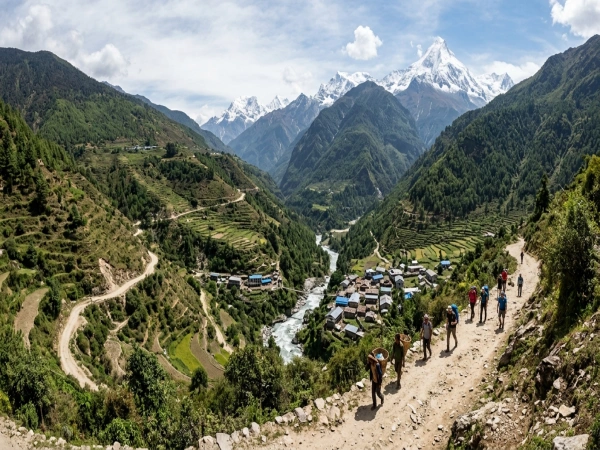
Many trekking routes pass through traditional Himalayan settlements.
You'll see:
● Stone houses
● Prayer flags
● Buddhist monasteries
● Prayer wheels
● Local farms
● Teahouses
● Mountain communities
Take your time here. Trekking isn't a race.Wildlife and Nature
Nepal's trekking regions contain a variety of ecosystems, from subtropical forests to alpine
landscapes.
Depending on your route and season, you may encounter birds, mountain wildlife and
forests filled with rhododendrons and other native plants.
Don't expect a wildlife safari, though—the main attraction is the landscape.
10. Food During a Nepal Trek
Food is a surprisingly important part of the trekking experience.
Most established trekking routes have teahouses and lodges where you can find simple
meals throughout the journey.
What Can You Eat on a Nepal Trek?
Common options include:
● Dal bhat
● Noodles
● Rice dishes
● Pasta
● Soups
● Momos
● Potatoes
● Eggs
● Bread
● Pancakes
● Tea and coffee
Dal bhat is particularly popular because it is filling and provides carbohydrates and protein
for long trekking days.
You can also try local foods along the way, but it's usually a good idea to keep your meals
simple as you get higher into the mountains.
Staying Hydrated
Drink water regularly throughout the day.
You may be able to refill water at teahouses or designated water stations, but you should
follow the recommendations of your guide regarding water treatment and safe drinking
sources.
11. Internet, Electricity & Mobile Connectivity
Yes, you can often stay connected while trekking in Nepal—but don't expect your phone to
have perfect reception throughout the Himalayas.
Connectivity depends heavily on the route and altitude.
You may find:
● Mobile networks in villages
● Wi-Fi at some teahouses
● Charging facilities
● Electricity in larger settlements
Remote areas can have limited or no connectivity.
A Useful Tip
Bring a power bank and keep your important documents available offline.
You don't want your entire trip plan to depend on having Wi-Fi.
12. Nepal Trekking Packing List
The key is to pack for changing weather without carrying your entire wardrobe to the
Himalayas.
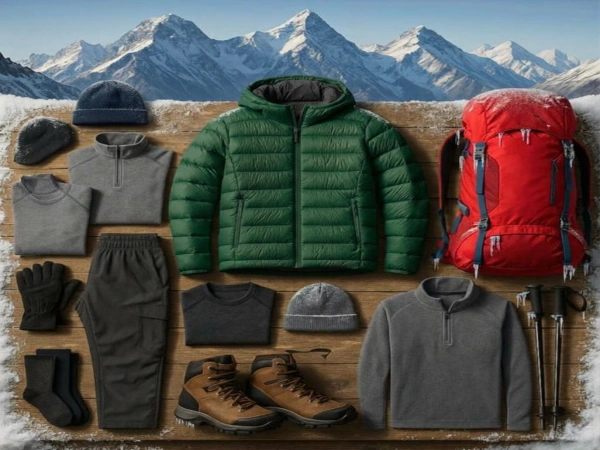
Essential Nepal Trekking Gear Clothing
● Moisture-wicking base layers
● Trekking trousers
● Warm fleece or mid-layer
● Down jacket
● Waterproof jacket
● Warm hat
● Gloves
● Trekking socks
● Comfortable underwear
● Comfortable trekking boots
● Lightweight sandals or camp shoes
● Extra trekking socksBreak in your trekking boots before your trip.
New boots + a multi-day trek = very unhappy feet.
Backpack
A comfortable daypack is essential for carrying your daily necessities.
Depending on your trekking package, a porter may carry your larger luggage while you carry
a smaller daypack.
Sleeping Gear
A good sleeping bag can be especially useful on higher-altitude treks where nights can
become very cold.
Trekking Poles
Trekking poles can help with:
● Steep climbs
● Long descents
● Uneven trails
● Balance
● Reducing strain on your knees
Personal Essentials
Don't forget:
● Sunscreen
● Sunglasses
● Lip balm
● Personal toiletries
● Water bottle
● Headlamp
● Power bank
● Small first-aid kit
● Passport and copies
● Travel insurance documents
● Some Nepalese cash
13. Altitude & Acclimatization During Nepal Trekking
Altitude is one of the biggest things you need to take seriously when trekking in Nepal.
A trek can feel physically manageable at lower elevations and become completely different
as you climb higher.What Is Altitude Sickness?
Altitude sickness can occur when your body has difficulty adjusting to reduced oxygen levels
at higher elevations.
Possible symptoms include:
● Headache
● Nausea
● Dizziness
● Fatigue
● Loss of appetite
● Difficulty sleeping
More serious symptoms can develop, so altitude-related symptoms should never be ignored.
How Can You Reduce the Risk?
There is no guaranteed way to prevent altitude sickness, but sensible acclimatization can
reduce the risk.
Important habits include:
● Ascend gradually
● Follow your itinerary's acclimatization schedule
● Stay hydrated
● Avoid rushing
● Get enough rest
● Tell your guide if you feel unwell
● Never ignore worsening symptoms
Listen to Your Body
This is especially important.
Being fit doesn't make you immune to altitude sickness.
If you're feeling seriously unwell at altitude, tell your guide immediately and follow their
advice about resting or descending.
14. Travel Insurance for Trekking in Nepal
Travel insurance is an important part of preparing for a Himalayan trek.
Before purchasing a policy, check whether it specifically covers:
● Trekking activities
● Your planned altitude
● Emergency medical treatment
● Evacuation or rescue
● Trip cancellation
● Lost baggage
Don't assume a standard travel insurance policy automatically covers high-altitude trekking.
Read the conditions carefully before your trip.
15. What Documents Should You Carry?
Keep your important documents both physically and digitally.
You should have access to:
● Passport
● Nepal visa
● Travel insurance
● Trekking permits
● Emergency contact details
● Flight information
● Important booking confirmations
It's also smart to keep photocopies or digital backups in case something gets lost.
16. Trekking With a Guide or Porter
You don't just hire a guide to show you which direction to walk.
A good local guide can help with:
● Route navigation
● Accommodation
● Meals
● Permits and logistics
● Altitude awareness
● Communication with local communities
● Weather-related decisions
● Emergency situations
They can also make the trek more enjoyable by explaining the culture, history, mountains
and communities you're passing through.
At Nepal Horizon, we have experienced local guides, logistical assistance and safety support
as part of its trekking services. (nepalhorizontreks.com)
What About a Porter?A porter can carry your larger trekking bag, allowing you to walk with a lighter daypack.
This can be especially helpful on longer or higher-altitude treks.
If you hire a porter, choose a responsible trekking company that treats its staff fairly and
provides appropriate equipment and insurance.
A Quick Checklist Before You Leave Kathmandu
Before heading to the trail, make sure you have:
☐ Passport & permits
☐ Travel insurance
☐ Appropriate trekking shoes
☐ Warm layers
☐ Rain protection
☐ Water bottle
☐ Sunscreen & sunglasses
☐ Personal medication
☐ Power bank
☐ Cash
☐ Basic toiletries
☐ Sleeping bag if required
☐ Trekking poles if needed
And most importantly:
Check the weather and trail conditions before departure.
Ready to Trek Nepal?
From Everest Base Camp to Annapurna, Manaslu and Langtang, Nepal Horizon Treks can
help you choose the right adventure for your time, budget and experience.
Plan your trek with Nepal Horizon Treks today and start your Himalayan adventure.
👉 Explore Our Treks | Get a Quote | Contact Us