

Last updated: August 28th, 2026
Nepal remains one of the world's most popular trekking destinations, and the autumn trekking season is approaching. But following the devastating Rasuwa flash flood of August 26, 2026, many travelers are asking an important question:
Is Nepal still safe for trekking?
The short answer is: Nepal is not closed to trekking, but travelers should avoid the flood-affected Rasuwa region until authorities confirm that roads, trails, and surrounding areas are safe.
The disaster was concentrated along the northern Rasuwa and Bhote Koshi corridor, causing severe damage to roads, bridges, settlements, and other infrastructure. A newly formed lake and continuing flood risks have also complicated rescue and recovery operations.
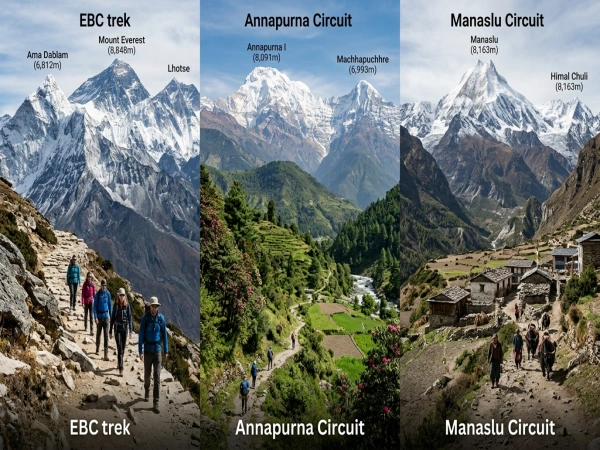
However, Nepal is a geographically diverse country. Trekking regions such as Everest, Annapurna, and Manaslu are located outside the directly affected Rasuwa corridor.
For trekkers planning a Nepal trip in September, October, or November 2026, the most important thing is to understand which areas are affected, which routes require caution, and which alternatives may still be available.
What Happened in Rasuwa?
On August 26, 2026, a sudden and extremely powerful flash flood struck Nepal's Rasuwa District near the Nepal–China border.
The flood swept through the Bhote Koshi River corridor, affecting places including Timure, Syabrubesi, and areas toward Rasuwagadhi. Roads, bridges, buildings and other infrastructure were severely damaged.
The event appears to have originated from a major glacial-related event in the Himalayan region. Scientists and authorities are still assessing the precise chain of events, but reports indicate that a glacier collapse and resulting debris and water surge contributed to the disaster.
The situation remains dynamic. A debris-dammed lake formed near the Nepal–China border and subsequently began overflowing, creating concern about additional flooding and mountain hazards. Rescue operations were temporarily suspended because of the risk.
This is why travelers should not treat the Rasuwa area as a normal trekking destination right now.
Is Nepal Safe for Trekking in 2026?
Yes — but not everywhere.
The Rasuwa disaster does not mean that trekking throughout Nepal has been cancelled.
Nepal contains several major trekking regions spread across the Himalayas. The areas directly affected by the August flood are concentrated around Rasuwa and the Bhote Koshi/Trishuli corridor.
For travelers, the distinction is important:
🔴 Avoid for now
- Rasuwa District
- Langtang trekking area
- Gosaikunda area
- Tamang Heritage Trail
- Rasuwagadhi–Timure border corridor
Travel through areas affected by the current rescue and recovery operations
The current U.S. Embassy advisory specifically recommends avoiding Rasuwa, including Langtang, Gosaikunda and the Tamang Heritage area, while the situation remains unstable.
🟢 Other major trekking regions
The Rasuwa disaster does not directly cover the major trekking regions of:
- Everest region
- Annapurna region
- Manaslu region
- Kanchenjunga region
- Makalu region
Other trekking areas geographically outside the affected corridor
This does not mean that every trail in these regions is automatically risk-free. Nepal's autumn trekking season follows the monsoon, so landslides, damaged roads and changing mountain weather can still affect individual routes.
Always check the latest local conditions before departure.
Which Nepal Treks Are Affected by the Rasuwa Flood?
- Trekking Route
- Current situation
- Langtang Valley Trek
🔴 Temporarily avoid / access disrupted
Gosaikunda Trek
🔴 Temporarily avoid / access disrupted
Tamang Heritage Trail
🔴 Temporarily avoid
Rasuwagadhi–Tibet Route
🔴 Severely affected
Everest Base Camp Trek
🟢 Not directly affected by the Rasuwa flood
Annapurna Circuit Trek
🟢 Not directly affected by the Rasuwa flood
Annapurna Base Camp Trek
🟢 Not directly affected by the Rasuwa flood
Manaslu Circuit Trek
🟢 Not directly affected by the Rasuwa flood
Kanchenjunga Trek
🟢 Not directly affected by the Rasuwa flood
Upper Mustang Trek
🟢 Not directly affected by the Rasuwa flood
Important: “Not directly affected” does not mean “guaranteed safe.” Road conditions, weather, landslides and trail conditions should still be checked before every trek.
Langtang Trek After the Rasuwa Flood
The Langtang Valley Trek is one of the routes travelers should pay the closest attention to.
Langtang is located within Langtang National Park, which extends across parts of Rasuwa, Nuwakot and Sindhupalchok. The usual approach to the Langtang region is through Dhunche and Syabrubesi.
The flood severely affected the Rasuwa corridor, including Syabrubesi and surrounding infrastructure.
That means the main concern is currently not simply whether the upper Langtang trail survived the flood. The bigger issue is whether travelers can safely reach the trailhead and whether roads, bridges, settlements, and trails have been properly assessed.
For this reason, trekkers should wait for official/local confirmation before travelling to Langtang.
Do not assume that a trail is safe simply because it is several kilometres away from the main river.
What About Gosaikunda Trek?
Gosaikunda is another popular trekking and pilgrimage destination in Rasuwa.
Because Gosaikunda lies within the Langtang region, the current situation around Rasuwa also affects access to this route.
Nepal Tourism Board identifies Langtang National Park and the Gosaikunda area as important trekking and pilgrimage destinations, with the park normally accessed through Dhunche.
At present, travelers should not plan to enter the Gosaikunda region until authorities and local trekking operators confirm safe access.
For autumn 2026 bookings, it is better to maintain flexibility and consider an alternative trekking region.
What Roads Have Been Affected?
One of the biggest consequences for tourism is damage to the road network.
The flood affected the important corridor connecting Trishuli, Betrawati, Dhunche, Syabrubesi, Timure and Rasuwagadhi.
Reports indicate extensive damage to roads and bridges along the corridor, with vehicle movement disrupted.
This is particularly important because these roads serve more than just tourists. They connect communities, trade routes, border areas and trekking gateways.
Even if repairs begin quickly, road reconstruction in mountainous terrain takes time, particularly during and immediately after the monsoon.
Therefore, travelers with Langtang or Gosaikunda plans should avoid making assumptions about October or November accessibility until updated assessments are available.
Can You Still Trek to Everest Base Camp?
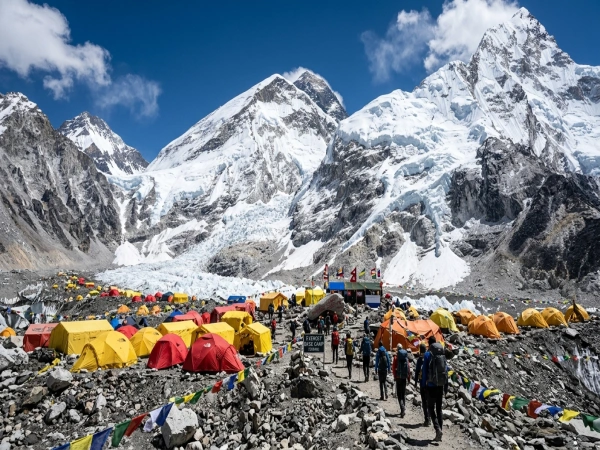
Yes, the Rasuwa flood did not directly hit the Everest region.
The Everest Base Camp Trek takes place in the Khumbu/Sagarmatha region, which is geographically separate from the Rasuwa disaster zone.
The normal access route is through Lukla, followed by trekking toward Namche Bazaar and the higher Khumbu settlements.
The Rasuwa flood does not mean that the Everest Base Camp Trek is cancelled.
However, trekkers should still check:
- Lukla flight conditions
- weather forecasts
- trail conditions
- local notices
- accommodation availability
- current safety information before departure.
What About Annapurna?
The Annapurna region is also outside the directly affected Rasuwa corridor.
Popular routes such as:
- Annapurna Circuit
- Annapurna Base Camp
- Mardi Himal
- Ghorepani–Poon Hill are geographically separate from Rasuwa.
Nepal Tourism Board identifies the Annapurna Conservation Area as one of Nepal's major trekking regions, covering parts of Kaski, Mustang, Manang and Lamjung.
Therefore, travelers interested in trekking this autumn can still consider the Annapurna region, while checking the latest local road and trail conditions.
What About the Manaslu Circuit?
The Manaslu Circuit Trek is also not directly affected by the Rasuwa flood.
The Manaslu region begins from the Gorkha side of Nepal and is geographically separate from the Rasuwa/Bhote Koshi disaster corridor.
That said, Manaslu has its own mountain-road and monsoon-related challenges.
Before starting the trek, travelers should check current road conditions around the trailhead, especially because the end of the monsoon season can still bring landslides and road disruptions.
Should You Cancel Your Nepal Trek?
Not necessarily.
If your itinerary is for Langtang, Gosaikunda or Tamang Heritage, you should be prepared to postpone, change the route or wait for authorities to confirm safe access.
If your itinerary is for Everest, Annapurna, Manaslu or another region outside Rasuwa, the flood alone does not mean you need to cancel your entire Nepal trip.
Instead:
1. Check your exact trekking region
Nepal's trekking areas are spread across a large geographical area. A disaster in one district does not automatically affect every trekking destination.
2. Check road and trail conditions
Mountain roads can change quickly after heavy rainfall.
3. Travel with a registered trekking agency or experienced guide
Local operators can monitor conditions and adjust itineraries when necessary.
4. Keep your itinerary flexible
If your trip is scheduled for September or October 2026, consider having an alternative trekking route available.
5. Do not enter restricted areas
If authorities advise travelers to avoid an area, wait until the restriction is lifted.
Best Alternative Treks to Consider in Autumn 2026
If you originally planned a Langtang or Gosaikunda trek, several alternatives may be worth considering depending on your available time, budget and fitness level.
🏔️ Everest Base Camp
Best for travelers who want:
iconic Himalayan scenery
Sherpa culture
high-altitude trekking
Everest views
a classic Nepal trekking experience
🏔️ Annapurna Circuit
Best for travelers looking for:
dramatic landscape changes
high mountain passes
Tibetan-influenced villages
diverse scenery
a longer trekking experience
🏔️ Annapurna Base Camp
A good alternative for travelers who want a shorter Himalayan trek with spectacular mountain views.
🏔️ Manaslu Circuit
Ideal for travelers looking for a quieter and more remote trekking experience, although road and trail conditions should be checked before departure.
Is Autumn 2026 Trekking Season Cancelled?
No.
The Rasuwa flood is a major disaster, but it does not mean Nepal's entire autumn trekking season has been cancelled.
The most important distinction is between affected trekking regions and unaffected regions.
The Rasuwa corridor is currently experiencing an active emergency and recovery operation. Other parts of Nepal remain geographically separate from the disaster.
Nepal's autumn trekking season normally benefits from improving weather after the monsoon, particularly during October and November. Nepal Tourism Board lists September–November among the main trekking periods for several Himalayan regions.
However, conditions in Rasuwa should be reassessed before reopening trekking routes there.
What Should Trekkers Do Right Now?
If you are currently in Nepal or arriving soon:
Do:
- Check official travel advisories.
- Stay in contact with your trekking agency.
- Check road and trail conditions before traveling.
- Purchase comprehensive travel insurance.
- Keep alternative routes available.
- Follow instructions from local authorities.
- Allow extra time for transportation.
Don't:
- Enter Rasuwa while the area remains under travel restrictions.
- Attempt to cross damaged roads or bridges.
- Trek through areas affected by active rescue operations.
- Rely solely on old trekking itineraries or pre-flood travel information.
- Assume that an area is safe because the weather looks clear.
Frequently Asked Questions
Is Nepal safe for trekking after the Rasuwa flood?
Yes, many parts of Nepal remain suitable for trekking, but Rasuwa and affected areas should currently be avoided while rescue and recovery operations continue.
Is Langtang Trek open after the Rasuwa flood?
Travel to the Langtang/Rasuwa area should currently be avoided. Road access and local infrastructure have been severely affected, and travelers should wait for updated safety assessments before planning the trek.
Is Gosaikunda Trek affected by the flood?
Yes. Gosaikunda is in Rasuwa's Langtang region, so access and safety conditions are affected. Travelers should wait for authorities and local trekking professionals to confirm that the route is safe.
Can I still do Everest Base Camp Trek in 2026?
The Rasuwa flood does not directly affect the Everest region. However, travelers should check current weather, flight and trail conditions before departure.
Is Annapurna Trekking affected by the Rasuwa flood?
The Annapurna region is geographically separate from the Rasuwa disaster area. The Rasuwa flood does not directly mean that Annapurna trekking is cancelled.
Is Manaslu Trek affected?
The Manaslu region was not directly affected by the Rasuwa flood. However, travelers should still check current monsoon-related road and trail conditions before starting the trek.
Should I cancel my Nepal trip?
Not necessarily. If your itinerary includes Rasuwa, Langtang or Gosaikunda, consider postponing or changing your route until the area is declared safe. If you are travelling to another region, check conditions for that specific destination rather than cancelling your entire Nepal trip.
Final Thoughts: Should You Still Trek in Nepal in 2026?
The Rasuwa flood is a devastating reminder that conditions in the Himalayas can change very quickly.
But Nepal is much larger than the affected Rasuwa corridor.
For travelers planning an autumn 2026 trek, the right approach is not to ask only:
“Is Nepal safe?”
Instead, ask:
“Is my specific trekking region, access road and trail safe right now?”
At the moment, Rasuwa, Langtang, Gosaikunda and the Tamang Heritage area require particular caution and should be avoided until authorities confirm safe access. Other major trekking regions, including Everest, Annapurna and Manaslu, are geographically outside the directly affected area.
If you already have a trek booked, speak with your trekking agency before travelling and monitor official updates closely. Conditions can change as roads are repaired, trails are assessed, and the monsoon season comes to an end.
Planning a trek in Nepal for autumn 2026? Contact Nepal Horizons Trek for the latest route information and help choosing the best trekking region for your itinerary.
This article was last updated on August 28, 2026. Mountain conditions, road access and government travel advisories can change rapidly. Always confirm current conditions before travelling.